TEAM LIFE
A well-supported journey begins behind the scenes
By Les Voyages d’Angèle · 22 July 2026
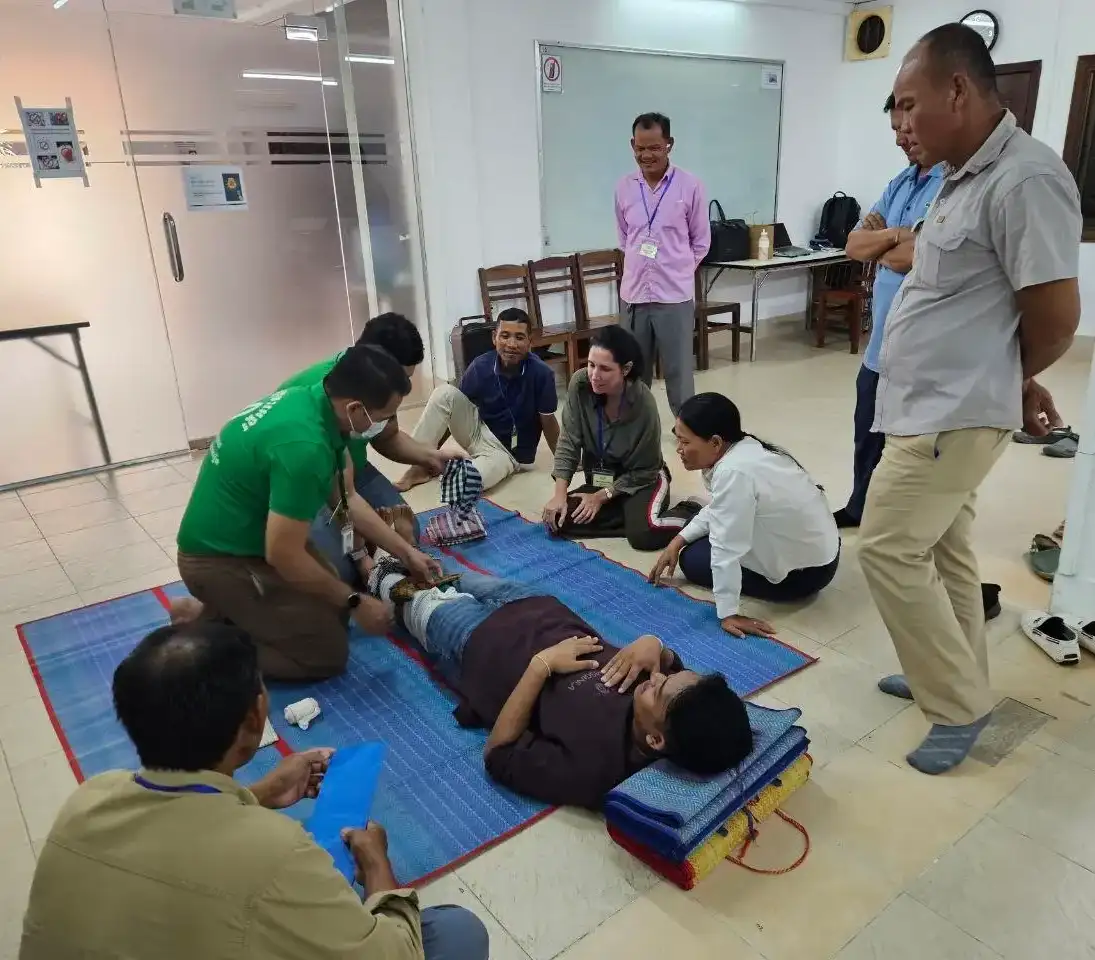
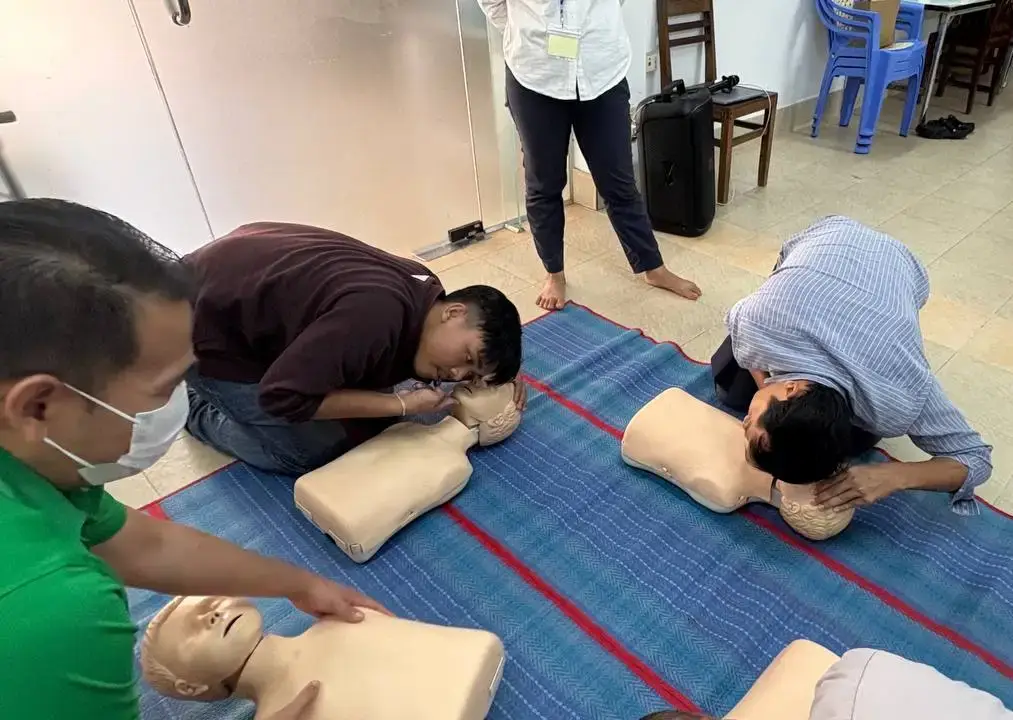
On 8 June 2026, in Siem Reap, the Les Voyages d’Angèle team, together with guides and drivers who work with the agency, gathered around first aid mannequins. Over the course of the day, they observed and practised skills that everyone hopes they will never need to use.
Delivered by Angkor Hospital for Children, the training was not about designing an itinerary, choosing a hotel or preparing a visit. It focused on a less visible part of travel: preparing the people who accompany travellers in case immediate help is needed.
When a journey unfolds smoothly, travellers mainly see the different stages of their journey, their guide, their driver and the encounters that shape their days. What they are less likely to see is everything prepared in advance so that each person can fulfil their role with care.
THE TRAINING
Learning to respond together
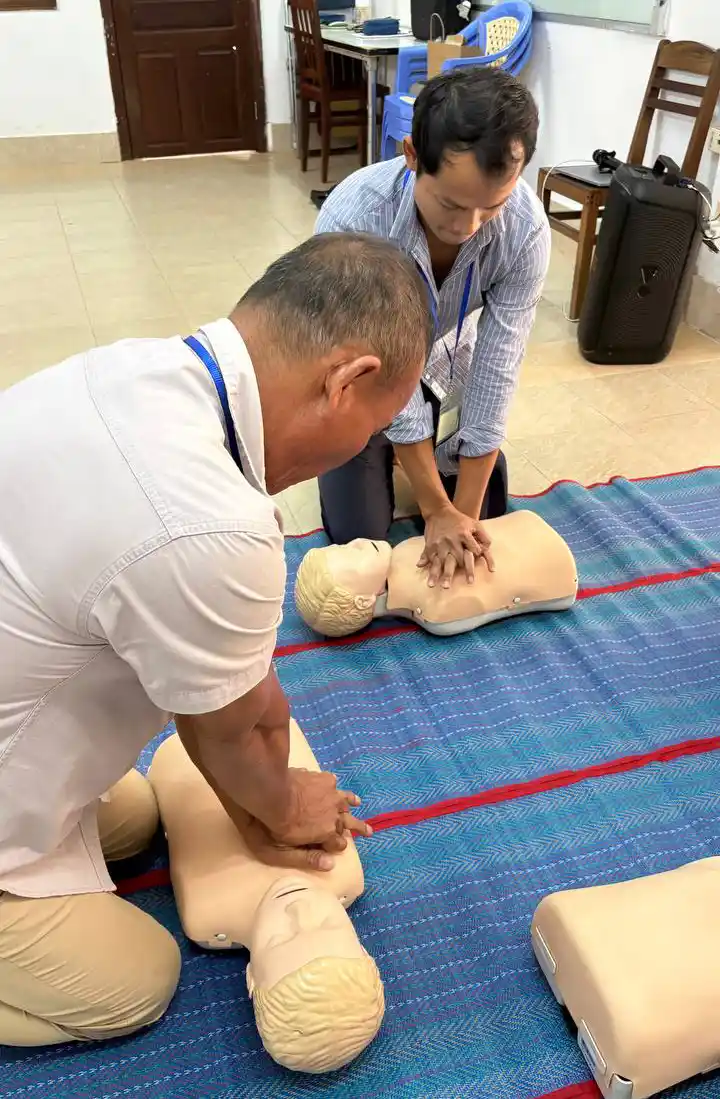
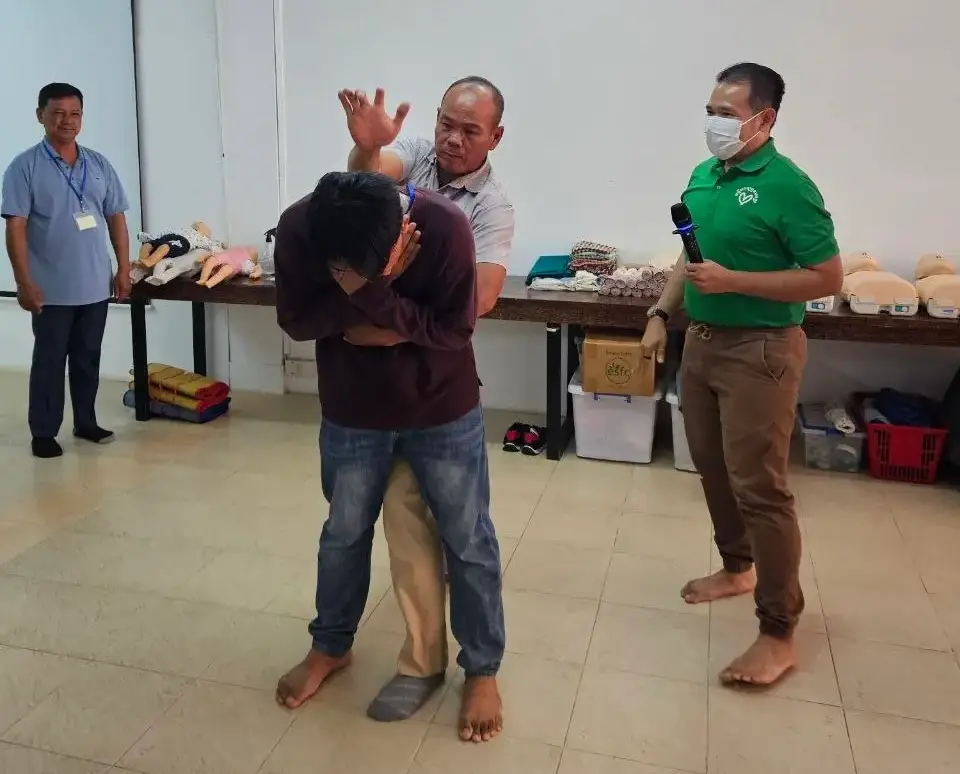
During the day, participants worked through several situations that may require first aid: cardiopulmonary resuscitation, responding to an unconscious person, choking, bleeding, injuries and the initial steps to take while waiting for emergency services.
The practical exercises included work with both adult and child mannequins. Each participant was able to observe the demonstrations, practise the techniques and refine their movements under the trainers’ supervision.
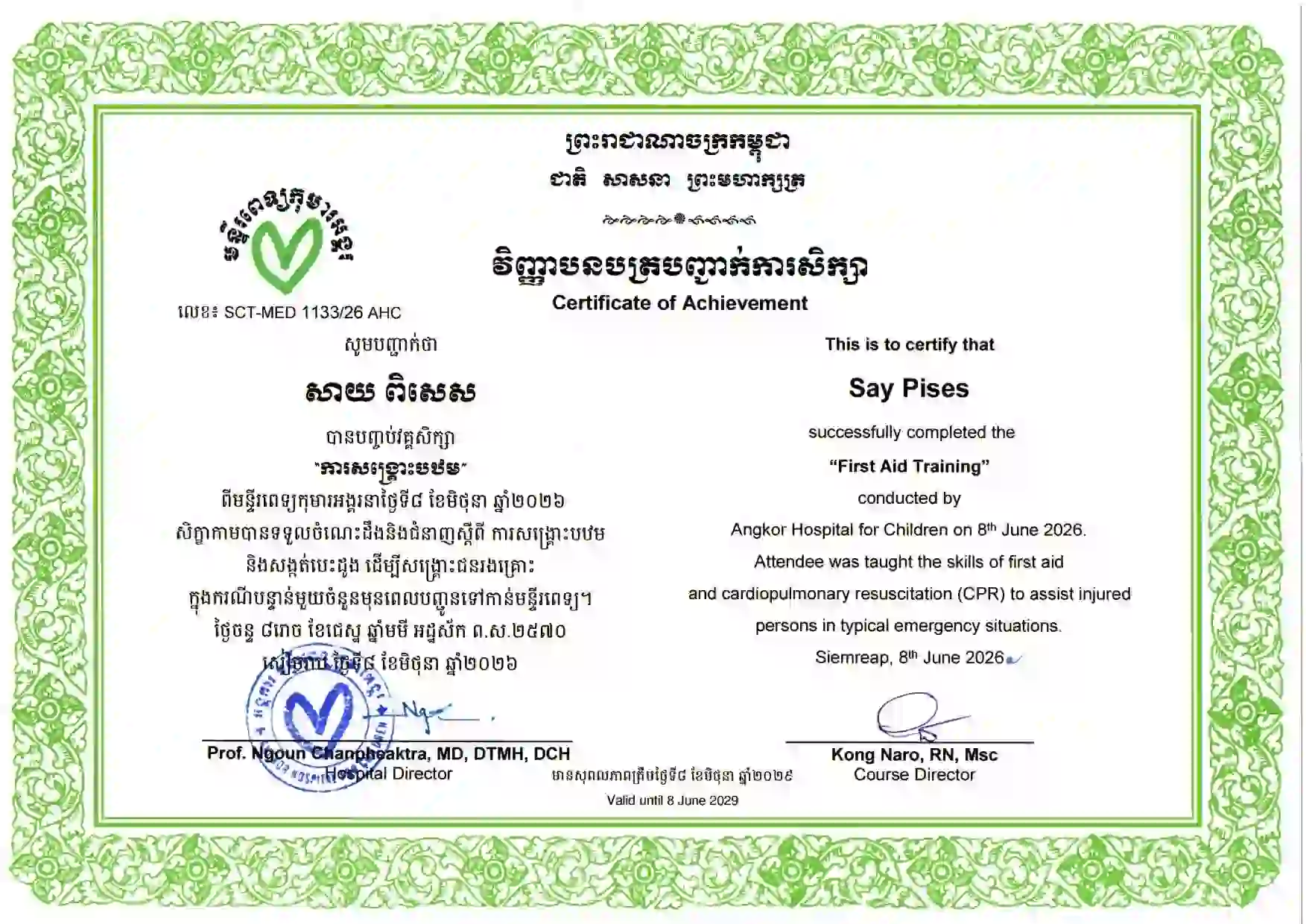
The day ended with an assessment questionnaire. Passing the test, together with completing the practical exercises, enabled participants to receive a certificate valid for three years.
First aid training does not, of course, turn participants into healthcare professionals. It does, however, help them recognise more clearly when assistance is needed, respond in a more structured way and help emergency services intervene effectively.
ON THE GROUND
A journey depends on many people working together
The participation of the guides and drivers was essential, as they are the people who accompany travellers directly throughout their journey.
The team prepares and coordinates the trip. The guides share their knowledge of the places visited and help travellers connect with the people they meet. The drivers take care of transport and may remain with travellers for several days. Each person contributes at a different stage, with a clearly defined role.
Different roles, but a shared understanding of how to pass on information and respond together when needed.
This is why it was important for the guides and drivers to take part alongside the in-house team. The quality of the support provided depends on everyone involved in caring for travellers throughout their journey.
FOR THE TRAVELLER
What this preparation changes for the traveller
No organisation can eliminate every unforeseen situation.
This training does, however, help the people accompanying travellers identify the first actions to take more clearly.
Recognise
Identify when a situation requires immediate assistance.
Act
Put the first aid skills learned during the training into practice.
Communicate
Clearly pass on useful information to the agency and emergency services.
Facilitate
Provide emergency services with the information they need to respond effectively.
For the traveller, this work generally remains invisible.
It is reflected not in promises, but in the presence of better-prepared people throughout the journey and in closer coordination between those accompanying the traveller and the agency managing the trip.
This training complements other measures already in place: procedures to follow in an emergency, the sharing of useful health and safety information, and an emergency contact available throughout the journey.
A RESPONSIBLE APPROACH
Investing in the people behind each journey
At Les Voyages d’Angèle, guides and drivers are not seen simply as people who carry out a programme. Their local knowledge, their availability and their relationship with travellers directly shape the traveller’s experience.
Involving them in the training brought the in-house team and the professionals accompanying travellers together to share the same practical learning.
This initiative forms part of a broader approach to training and improving practices, in line with the agency’s Travelife commitments.
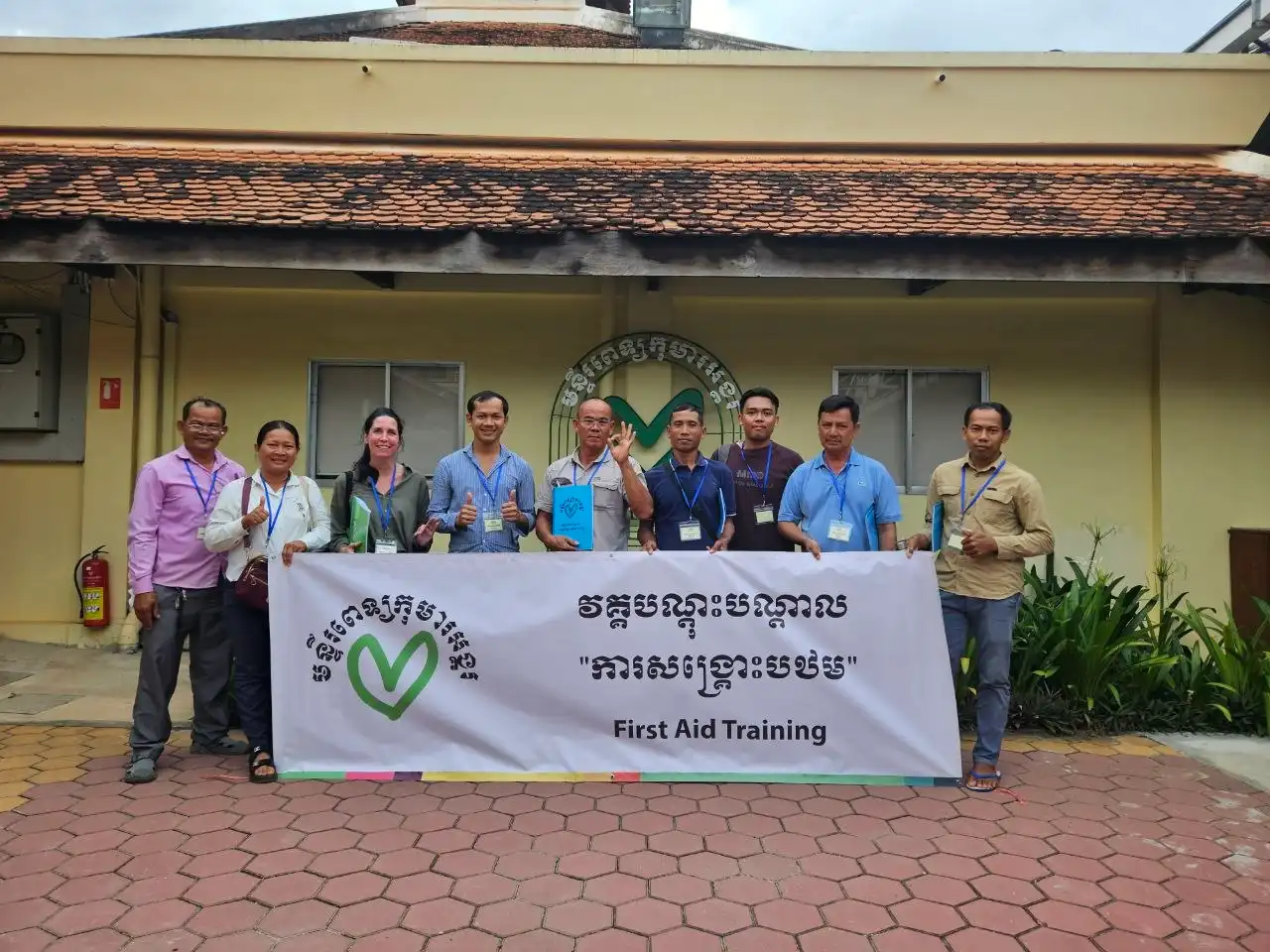
The training held on 8 June is part of the quieter, less visible work behind a journey. It does not appear in the programme given to travellers, but it says a great deal about the care taken in preparing the people who will accompany them.
Les Voyages d’Angèle would like to thank the team at Angkor Hospital for Children for welcoming the participants and for the quality of the training.
First aid training certificate:
Angkor Hospital for Children
Siem Reap, 8 June 2026
Certificate valid until 8 June 2029